Aayam Skill Development Center (ASDC) Pvt. Ltd. is a purpose-driven organization established in 2016 is based in Kirtipur, Kathmandu, Nepal, working to address poverty and unemployment through practical, market-oriented economic empowerment solutions. We focus on connecting skills to income and income to sustainable livelihoods, ensuring that individuals are not only trained but also able to participate meaningfully in the economy.
Vision Statement
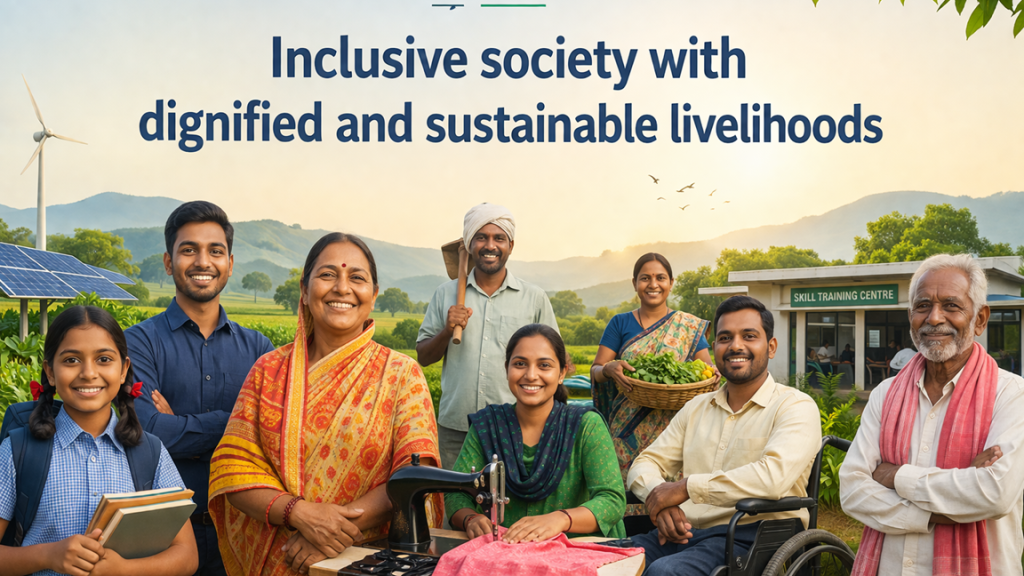
Inclusive society with dignified and sustainable livelihoods
Mission Statement
To reduce poverty and unemployment by empowering individuals with practical skills, connecting them to income opportunities, and enabling sustainable livelihood development through market-driven and inclusive approaches.
Goals
Our primary goal is to contribute to poverty reduction in Nepal by creating structured pathways from skills to income and from income to long-term livelihood stability. We aim to enhance employability through practical training, expand access to income-generating opportunities, and strengthen local economic systems through enterprise development and workforce integration. We also seek to promote financial resilience among individuals and communities, ensuring that economic progress is sustainable and inclusive.
Core values
Integrity & Transparency

We uphold ethical practices, accountability, and openness in all our operations and partnerships.
People-Centered Impact

We design solutions based on real community needs and market demand to ensure meaningful and inclusive impact.
Evidence-Based Excellence
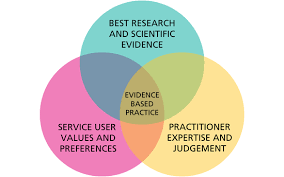
We use research, data, and insights to guide decisions and deliver high-quality results.
Innovation & Sustainability

We embrace innovation and scalable approaches to create long-term value and relevance.
Strategic Collaboration
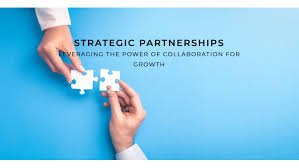
We build strong partnerships across sectors to maximize reach, efficiency, and impact.
OUR APPROACH
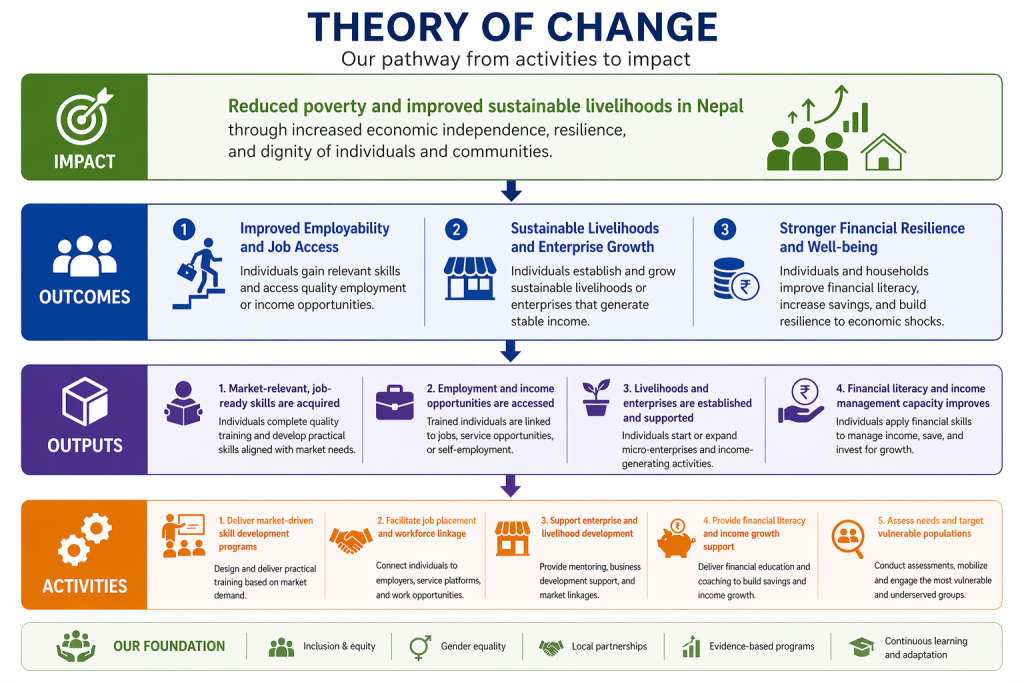
Aayam Skill Development Center’s approach is based on a simple understanding: poverty is not only a lack of income, but a lack of capability, opportunity, and resilience. In Nepal, many individuals remain in low-income conditions not due to lack of effort, but because skills, jobs, and support systems are not effectively connected. Our Theory of Change addresses this gap by creating a clear pathway from learning to earning and from earning to sustainable livelihoods.
The Problem We Address
Poverty persists due to three interconnected gaps. The first is a capability gap, where individuals lack practical, market-relevant skills. The second is an opportunity gap, where skilled individuals cannot access jobs or income platforms. The third is a resilience gap, where people struggle to sustain and grow income due to weak financial stability and vulnerability to shocks. These gaps reinforce each other and keep individuals trapped in low-income cycles.
Our Theory of Change
We believe that when individuals gain relevant skills, they develop the capability to work. When they are connected to real income opportunities, they begin earning. When they receive livelihood and financial support, they can sustain and grow their income. This creates a continuous cycle where skills lead to income, and income leads to long-term economic stability.
Our Intervention Pathway
We start by identifying vulnerable and underserved individuals who lack access to economic opportunities. We then provide market-driven skill training aligned with real labor demand. After training, we facilitate employment and income linkage through jobs, service work, or self-employment. For those interested in entrepreneurship, we offer livelihood and enterprise support. Finally, we strengthen outcomes through financial literacy and income growth support to ensure long-term stability.
Expected Impact
This approach enables individuals to gain skills, access income, and build sustainable livelihoods. It improves financial stability at the individual level and contributes to a more inclusive and productive local economy.
Guiding Principle
When skills, opportunities, and support systems are connected, poverty can be transformed into sustainable livelihoods.
Aayam exists to make this pathway practical and achievable in Nepal.